Photography is all about using light to show your subject at it best. For me, this is about using natural light as I don't use flash. Many years ago I tried some flash photography trying to capture small birds in flight and was so disturbed at the response of the birds that have not used it since. I don't have any problem with the use of fill flash during daylight for those that want to use it. However, Aacurrent trend I find particularly worrying at the moment is photographing owls at night with multiple flash set ups at baited posts. With their highly sensitive night vision, this must be impacting on the birds with temporary blindness and their long term hunting success. Now I know there are all kinds or arguments surrounding this concerning the negative effects which I not going to enter into. All i can say is this practice seems wrong and it bothers me greatly.
For those photographers who just use natural light, winter is a very special time of year. The low elevation of the sun produces beautiful soft warm light to work through large parts of the day. Unfortunately, living in cloudy north west England, such days can be few and far between and so you have to make the most of them when they do occasionally arise. On occasions it can feel like an eternity of cloud between sunny moments. The other benefit of course is that it easy to get out at first light without the need to set your alarm to ridiculous o'clock, so you can have a nice relaxed start to the day and still be at your chosen site at sunrise to catch the first important rays. Even at this time of year, both ends of the day tend to produces the most evocative images.
The collection of images below are from my recent winter wanderings and in no particular order.
I have spent a little time down by the huge area of local salt marshes hoping to capture some short-eared owls. As with most photography of hunting owls it is a game of luck and whether they fly close to your chosen position. Given the size of the marsh, success rate can be fairly low and it requires many hours effort to be rewarded with only a few images. Given the time requirements, the moments when the sun is out and the owls are close occur even more infrequently.
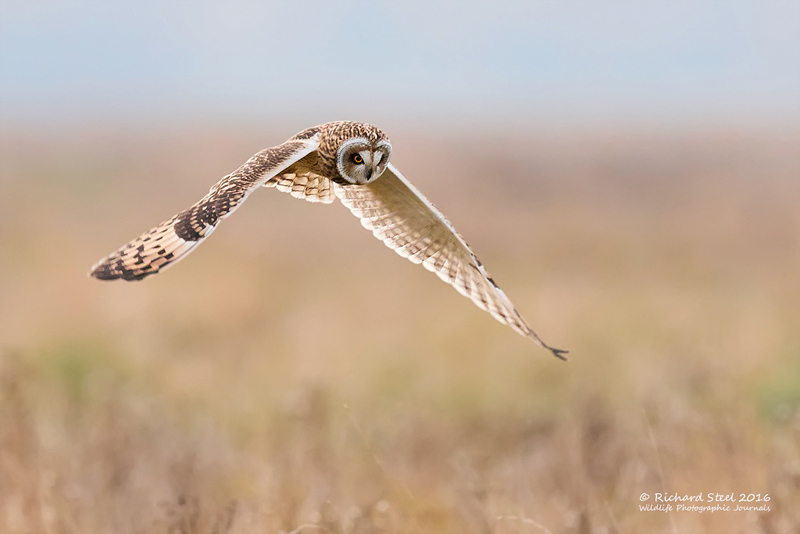
 When the sun does shine at this site in the afternoons it tends to be at a tricky angle and ranges from side lit through to full backlit.

 Sat waiting by the marsh for long periods you do see plenty of other birds, particularly raptors such as hen harrier and marsh harrier although often at too far a distance for photography. Occasionally one does come closer. This is a silhouette of a marsh harrier hovering over the reeds at last light.
 While waiting by the marsh, there are usually some small birds around the edge to pass the time such as Stonechat.

Another place I find myself waiting around quite a bit during the winter is one of the local marine lakes. This gets some interesting birds on it and can be good for photography as it allows in places for you to get right down at that water level perspective. However, with it covering an area of around 60 acres and having high numbers of visitors, catching the birds close to the edge requires paitence. I usually visit at first light when the number of people and dogwalkers around is low.
A Cormorant surfacing at first light.
 There are usually several Red-breasted Merganser on the lake each winter.
 This winter they were joined by two female Goosander.
 One benefit of the number of visitors is that the wading birds are relatively accustomed to people which provides some photo opportunities while waiting. In this case a Redshank in flight.
 One difference this winter is that there have been very high numbers of Brent Geese overwintering on Hilbre Island off the north west corner of the Wirral peninsula. Usually they stay on the island but some have been venturing over to the mainland this year which gave a couple of opportunities to put these long distance travellers in front of the lens for the first time.


 Moving closer to home. At the end of the street where I live is the River Mersey, which gets reasonable numbers of waders on the intertidal area. For some unknown reason, I rarely venture down there with a camera. To get it at its best all the right conditions need to coincide with late afternoon sun and the right state of tide i.e as the tide is coming up to high water or ebbing away leaving a narrow strip of shore for the birds. As I work from home now, a couple of weeks back the weather and tides came together for a quick mid-afternoon break from the computer for an hour. It was an enjoyable brief session photographing a foraging Curlew and some Oystercatcher picking around the rocks for crabs and mussels.


Maybe I should try and visit the end of my street more often! It is all too easy to overlook what is on your 'doorstep'. Unfortunately it does not look like the sun will put in an appearance this weekend, such is the way of winter weather, but there is more promise in the forecast for next week for maybe a quick work break session. Fingers crossed for some more of that glorious winter light to come before spring is upon us.
For those photographers who just use natural light, winter is a very special time of year. The low elevation of the sun produces beautiful soft warm light to work through large parts of the day. Unfortunately, living in cloudy north west England, such days can be few and far between and so you have to make the most of them when they do occasionally arise. On occasions it can feel like an eternity of cloud between sunny moments. The other benefit of course is that it easy to get out at first light without the need to set your alarm to ridiculous o'clock, so you can have a nice relaxed start to the day and still be at your chosen site at sunrise to catch the first important rays. Even at this time of year, both ends of the day tend to produces the most evocative images.
The collection of images below are from my recent winter wanderings and in no particular order.
I have spent a little time down by the huge area of local salt marshes hoping to capture some short-eared owls. As with most photography of hunting owls it is a game of luck and whether they fly close to your chosen position. Given the size of the marsh, success rate can be fairly low and it requires many hours effort to be rewarded with only a few images. Given the time requirements, the moments when the sun is out and the owls are close occur even more infrequently.
Another place I find myself waiting around quite a bit during the winter is one of the local marine lakes. This gets some interesting birds on it and can be good for photography as it allows in places for you to get right down at that water level perspective. However, with it covering an area of around 60 acres and having high numbers of visitors, catching the birds close to the edge requires paitence. I usually visit at first light when the number of people and dogwalkers around is low.
A Cormorant surfacing at first light.
Maybe I should try and visit the end of my street more often! It is all too easy to overlook what is on your 'doorstep'. Unfortunately it does not look like the sun will put in an appearance this weekend, such is the way of winter weather, but there is more promise in the forecast for next week for maybe a quick work break session. Fingers crossed for some more of that glorious winter light to come before spring is upon us.