Firstly apologies for not posting for a while, it has been a busy time for me. Having been made redundant from my job at the end of March, I decided to set up myself up in business offering lake design and rehabilitation consultancy services which has taken up a lot of time to get up and running. Also at the end of April I managed to fall over, causing damage to both my camera and lens and so that was out of action for a while being repaired. Despite all these time constraints, I have still managed to squeeze in quite a few short sessions although have not had much time to go through the images.
I do love Spring and how everything bursts into life after the long winter days and the air is once again filled with bird song. This year we had a fairly cold period during April with northerly winds blowing from the north keeping the temperatures unseasonally low. This certainly seemed to put a temporary hiatus on bird migration northwards with many summer visiting migrant species being delayed in their arrival.
Anyway enough of my ramblings lets get on to some photographs......
I spent quite a bit of time this Spring photographing Black Grouse but I intend to dedicate a post to them so will just give you hint of what is to come with this photo of a male bird calling at sunrise.

I had a meeting up in Newcastle and as usual when I head in that direction, took the scenic route home to take in some moorland and red grouse.


Some time has been spent with the resident birds of the coastal strip that runs along the top of the Wirral Peninsula. The coastal gorse looked amazing this year in flower with swathes of bright yellow and it seemed a good opportunity to try and get some birds perched on it where possible. Skylark, Linnet, Wren and Stonechat were the main species photographed.


While driving round one morning I suddenly remembered a report from a couple of years back of Mandarin Duck that used a small pond to pair up before breeding. The ducks are only present on the pond for a very short period so I was lucky to find them there when I went to check it out.

Of course one of the great parts of Spring is the passage and arrival of migrant birds. This spring I saw a report of a drake Garganey being present on a local lake and decided to go straight there. It was fortunate that I did as the bird had left and continued on its passage the next day. It is a while since I have put a Garganey in front of the camera so it was a pleasure to photograph one of these beautiful waterfowl, even though conditions and access at the lake present numerous challenges.


I am always amazed at the small migrants birds and think about the epic journey they have made from the south. For example the Wheatear coming up from Africa.

This is particularly the case for warblers and the long distances covered by these tiny birds weighing a few grams. Below are a selection of these travellers including Chiffchaff, Grasshopper Warbler, Willow Warbler and Whitethroat filling their air with their varied songs.


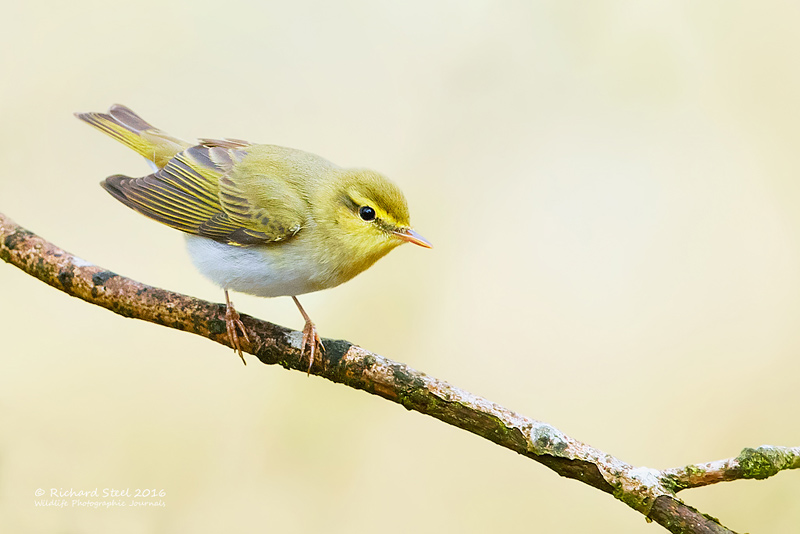
I also managed to find one of my favourite summer visiting warblers, the Wood Warbler that fills the woodlands with its amazing electric song.

I will finish off the photographs of this post with one last species which is the Whinchat. The males when they first arrive look amazing but the colour often quickly seems to fade so it is always best to try and catch them early. Photographs of the female and male birds are below.


In two days time, I am heading north on my annual overseas trip. This years sees me returning to Arctic Finland and Norway with the majority of the time being spent on the Varanger Peninsula. Exciting prospects ahead and it will be good to return after my previous visit 6 years ago. Hoping the unpredictable weather is kind and that there will be plenty of photographs to share with you on my return.
I do love Spring and how everything bursts into life after the long winter days and the air is once again filled with bird song. This year we had a fairly cold period during April with northerly winds blowing from the north keeping the temperatures unseasonally low. This certainly seemed to put a temporary hiatus on bird migration northwards with many summer visiting migrant species being delayed in their arrival.
Anyway enough of my ramblings lets get on to some photographs......
I spent quite a bit of time this Spring photographing Black Grouse but I intend to dedicate a post to them so will just give you hint of what is to come with this photo of a male bird calling at sunrise.
I had a meeting up in Newcastle and as usual when I head in that direction, took the scenic route home to take in some moorland and red grouse.
Some time has been spent with the resident birds of the coastal strip that runs along the top of the Wirral Peninsula. The coastal gorse looked amazing this year in flower with swathes of bright yellow and it seemed a good opportunity to try and get some birds perched on it where possible. Skylark, Linnet, Wren and Stonechat were the main species photographed.
Of course one of the great parts of Spring is the passage and arrival of migrant birds. This spring I saw a report of a drake Garganey being present on a local lake and decided to go straight there. It was fortunate that I did as the bird had left and continued on its passage the next day. It is a while since I have put a Garganey in front of the camera so it was a pleasure to photograph one of these beautiful waterfowl, even though conditions and access at the lake present numerous challenges.
I am always amazed at the small migrants birds and think about the epic journey they have made from the south. For example the Wheatear coming up from Africa.
This is particularly the case for warblers and the long distances covered by these tiny birds weighing a few grams. Below are a selection of these travellers including Chiffchaff, Grasshopper Warbler, Willow Warbler and Whitethroat filling their air with their varied songs.
I also managed to find one of my favourite summer visiting warblers, the Wood Warbler that fills the woodlands with its amazing electric song.
I will finish off the photographs of this post with one last species which is the Whinchat. The males when they first arrive look amazing but the colour often quickly seems to fade so it is always best to try and catch them early. Photographs of the female and male birds are below.
In two days time, I am heading north on my annual overseas trip. This years sees me returning to Arctic Finland and Norway with the majority of the time being spent on the Varanger Peninsula. Exciting prospects ahead and it will be good to return after my previous visit 6 years ago. Hoping the unpredictable weather is kind and that there will be plenty of photographs to share with you on my return.


.jpg)